
Introduction
If you’re in ecommerce, you’ve heard the name. But what exactly is Klaviyo, and why has it become the go-to marketing platform for scaling brands like Brooklinen, ColourPop, and Taylor Stitch?
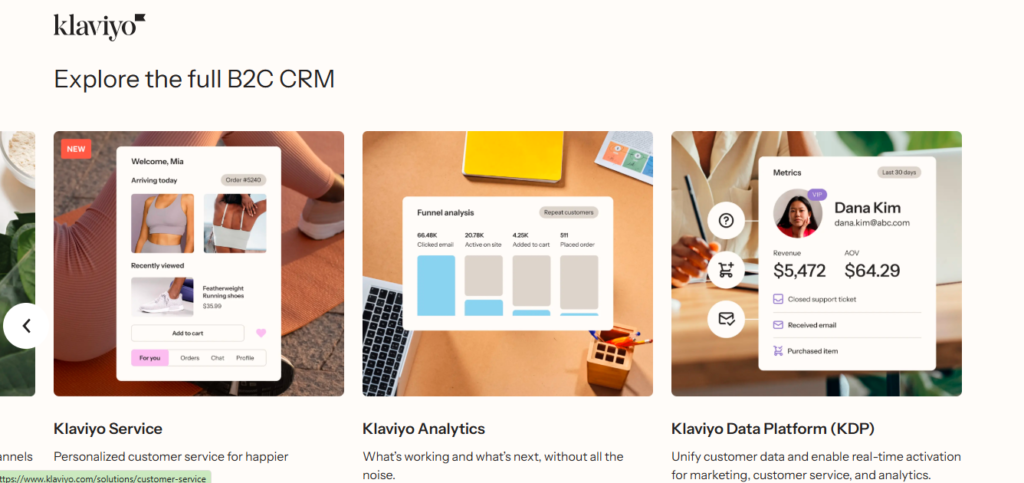
More than just an “email marketing tool,” Klaviyo is a powerful customer data platform (CDP) and marketing automation engine built specifically for online stores. It turns your customer data into personalized, revenue-driving conversations across email and SMS.
In this ultimate guide, we’ll break down everything you need to know about Klaviyo—from its core features and pricing to advanced strategies that can transform your business.
What is Klaviyo?
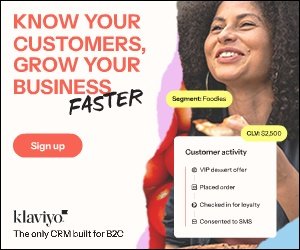
At its core, Klaviyo is an integrated marketing platform. But that description doesn’t do it justice. Think of it as the central brain for your ecommerce marketing.
Unlike generic email service providers (ESPs), Klaviyo is natively built to sync with ecommerce platforms like Shopify, BigCommerce, and WooCommerce. It automatically collects and organizes valuable customer data—from what products they’ve viewed and added to cart to what they’ve actually purchased.
This deep integration allows you to move beyond batch-and-blast emails and into the realm of hyper-personalized, automated marketing flows that feel less like advertising and more like a helpful conversation.
1.Why Klaviyo is a Game-Changer for Ecommerce
Why do over 265,000 brands trust Klaviyo? It comes down to three things:
ROI-Focused Analytics: Klaviyo’s dashboard doesn’t just show opens and clicks. It directly attributes revenue to each campaign and flow, so you know exactly what’s driving sales
Data-Driven Personalization: Klaviyo uses real-time behavioral data to segment your audience dynamically. You can send an email to “Customers who bought Product A but not Product B” or “Shoppers who abandoned their cart in the last 4 hours.” This level of targeting is unmatched by most competitors.
Powerful Automation: Set up “set-it-and-forget-it” email and SMS flows that do the selling for you. The most common examples are Welcome Series, Browse Abandonment, Cart Abandonment, and Post-Purchase flows.
2. Klaviyo Pricing
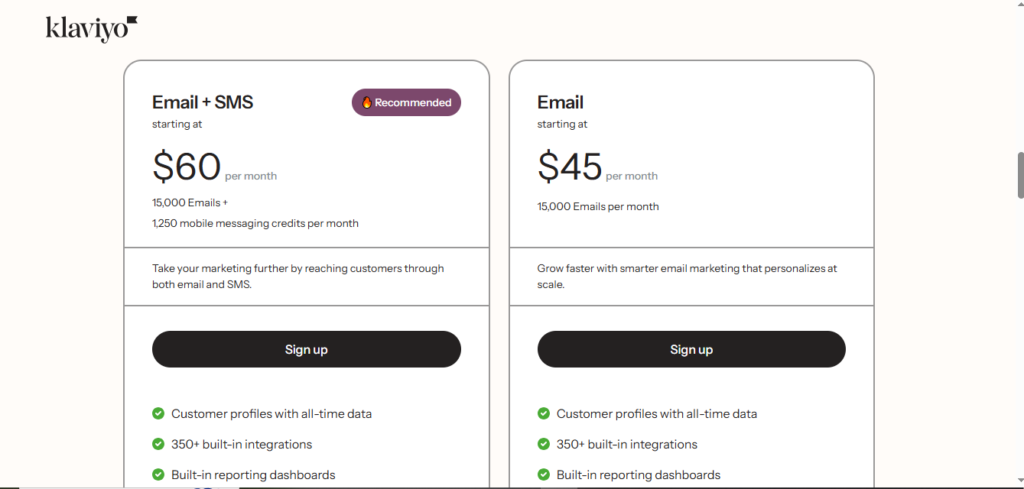
Klaviyo operates on a usage-based pricing model, meaning you pay based on the number of email contacts and SMS/MMS credits you use.
- Free Tier: Excellent for starters, offering up to 250 email contacts and 150 free email sends.
- Email Pricing: Scales as you grow. You only pay for the contacts you market to.
- SMS Pricing: Requires the purchase of prepaid credits. This is separate from your email plan.
Is it worth it? For most ecommerce brands, absolutely. The ROI from well-executed flows (like cart abandonment) often pays for the platform itself many times over. It’s an investment in direct customer relationships and sales.
3. Pros and Cons
Targets Long-Tail Keywords: It naturally incorporates phrases people search for, like “Klaviyo cost,” “Klaviyo drawbacks,” “Klaviyo learning curve,” and “is Klaviyo worth it.”
Increases Dwell Time: A balanced analysis keeps readers on the page longer as they evaluate the information, which is a positive ranking signal.
Builds E-A-T (Expertise, Authoritativeness, Trustworthiness): Showing both sides positions you as an objective expert, not just a cheerleader. Google rewards content that demonstrates these qualities.
Answers User Questions Directly: This section pre-emptively answers the critical questions a savvy shopper would have before making a decision, making your page a more complete resource.
4.Getting Started with Klaviyo
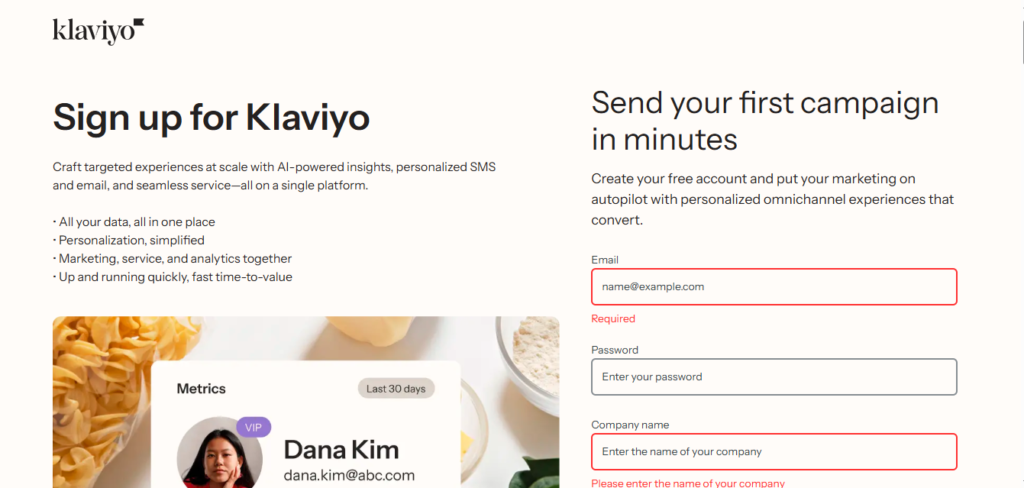
Sign Up for a Free Account: The best way to learn is by doing.
Install the Integration: Connect Klaviyo to your ecommerce store.
Sync Your Data: Let Klaviyo populate with your customer and order history.
Build Your First Flow: Start with a simple “Welcome Series” or “Browse Abandonment” flow. The templates are easy to use!
Create a Sign-Up Form: Place a pop-up form on your site to start growing your list within Klaviyo
…
Conclusion/Summary (H2)
Klaviyo is more than a tool; it’s a strategic partner for ecommerce growth. By leveraging its deep data integration and powerful automation, you can build stronger customer relationships and drive significant, measurable revenue. While it has a learning curve and costs can scale, its potential ROI for online stores is immense.